



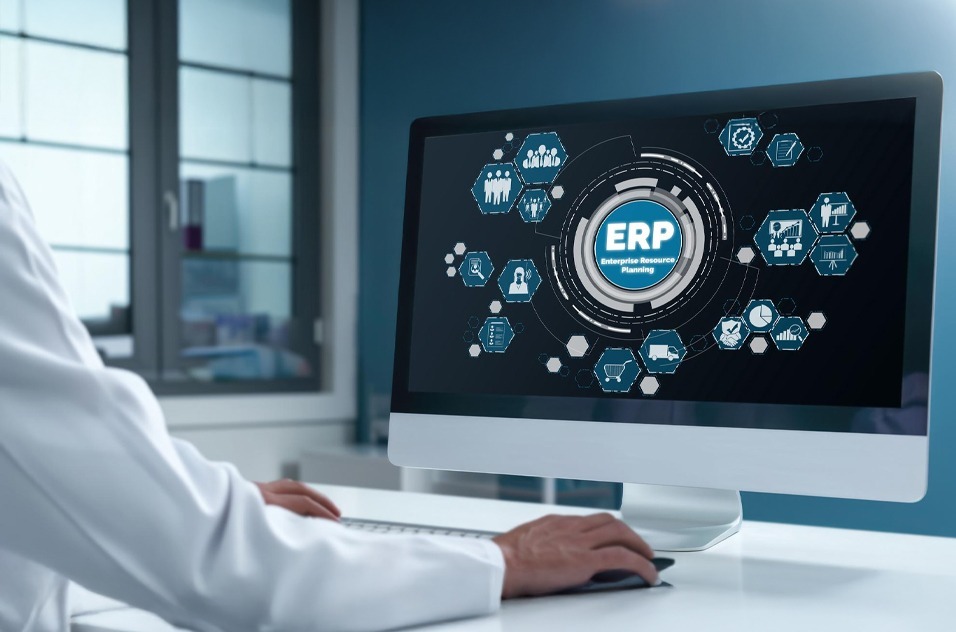
Enterprise Application Modernization upgrades legacy systems by improving performance, security, scalability, and integration while preserving core business logic. It replaces outdated architectures with modern technologies, enabling enterprise applications to meet current digital demands without downtime or disruption to critical operations in USA and GCC Countries
Legacy systems are often deeply embedded in enterprise operations. When they fail to evolve, the impact extends beyond IT and affects business performance.
Modernization ensures these systems remain reliable, secure, and capable of supporting long-term growth.

Financial Services
Banks and financial institutions modernize legacy systems to support digital banking platforms, ensure regulatory compliance, and enable real-time transaction processing without compromising data integrity
Healthcare
Healthcare organizations modernize applications to improve interoperability between systems, strengthen data security, and maintain high availability while meeting regulatory requirements.
Manufacturing
Manufacturers modernize ERP and operational systems to integrate production data, improve supply chain visibility, and support real-time operational insights.
Retail and E-commerce
Retail enterprises modernize backend systems to manage traffic spikes, support omnichannel experiences, and maintain consistent performance during peak demand.
| Aspect | Modernization | Full Replacement |
| Cost approach | Phased investment | High upfront cost |
| Time to value | Faster | Slower |
| Risk level | Moderate | High |
| Core business logic | Preserved | Rebuilt |
This step by step approach ensures controlled transformation with minimal risk.
When planning modernization, organizations should evaluate system performance issues, compliance requirements, future scalability needs, and integration goals. It is also important to consider risk tolerance and acceptable downtime.
For mission-critical systems, a phased modernization strategy typically provides the best balance between progress and stability.
Zoondia delivers Enterprise Application Modernization through a structured and risk-managed approach. The focus remains on preserving existing business functionality while improving performance, security, and scalability.
With experience modernizing complex enterprise systems, Our team supports organizations across the USA and global markets through careful planning, technical expertise, and disciplined execution.
Legacy systems should enable progress, not restrict it. As digital demands continue to grow, Enterprise Application Modernization provides a structured path to transform outdated applications into scalable, secure, and future-ready systems.
If legacy applications are limiting performance or agility, Enterprise Application Modernization offers a practical and low-risk way forward.
Connect with Zoondia to evaluate modernization options aligned with your business and technical goals.
In many cases, modernization reduces cost and risk by improving systems without rebuilding them entirely.
Timelines vary by complexity, but phased approaches allow continuous improvement over time.
No. Modernization can support on-premise, hybrid, or cloud environments based on business needs.
No. Modernization is typically executed in phases, allowing critical systems to remain operational while improvements are introduced incrementally minimizing downtime and business disruption.